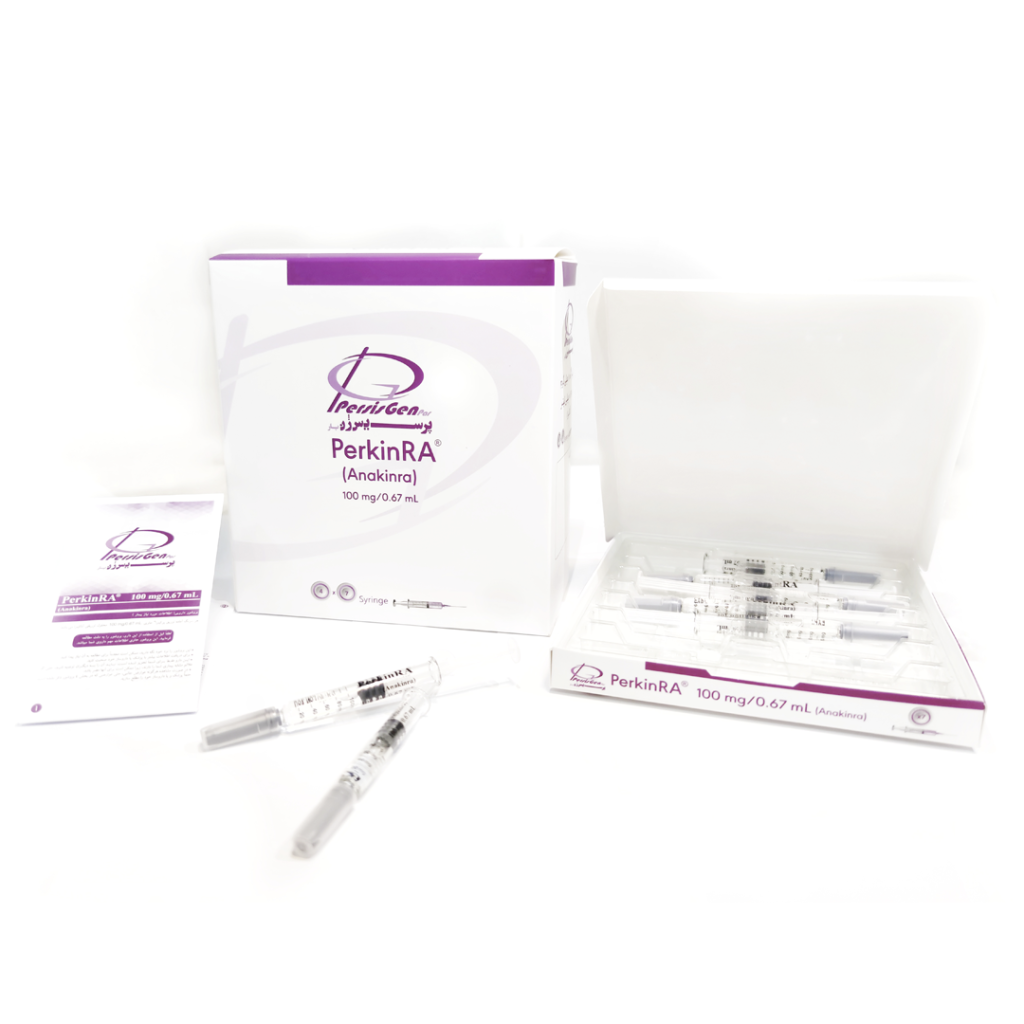
Interleukin-1 (IL-1) is the prototypical inflammatory cytokine: two distinct ligands (IL-1αand IL-1β) bind the IL-1 type 1 receptor (IL-1R1) and induce a myriad of secondary inflammatory mediators, including prostaglandins, cytokines, and chemokines. IL-1αis constitutively present in endothelial and epithelial cells, whereas IL-1βis inducible in myeloid cells and released following cleavage by caspase-1. Over the past 30 years,IL-1-mediated inflammation has been established in a broad spectrum of diseases, ranging from rare autoinflammatory diseases to common conditions such as gout and rheumatoid arthritis (RA), type 2 diabetes, atherosclerosis, and acute myocardial infarction. Blocking IL-1 entered the clinical arena with anakinra, the recombinant form of the naturally occurring IL-1 receptor antagonist (IL-1Ra); IL-1Ra prevents the binding of IL-1αas well as IL-1βto IL-1R1.
Anakinra is the first biologic drug that has been developed specifically as an interleukin (IL-1) receptor antagonist (Ra) and is derived from an endogenous IL-1Ra. The drug blocks the activity of IL-1 in synovial joints, reducing the inflammatory and joint destructive processes associated with rheumatoid arthritis (RA).